Collectability vs. Collectibility – Which is Correct?
Writers and collectors often ask: is it collectability or collectibility? Both words describe the quality that makes an object desirable to collectors. They differ in frequency and nuance. This article explains the differences and helps you choose the right term.
Collectability or Collectibility — Which Spelling Is Correct?
Both collectability and collectibility are accepted nouns. They both mean “the quality of being collectible.” In practice, collectibility appears more often in modern writing about auctions and investment.
Collectability is also correct. It suits general contexts about how suitable something is for collecting. Both spellings look and sound similar, which is why they rank among the more confused words in collector and market writing.
They also sit alongside the adjective pair — collectable and collectible — which adds to the confusion. Use collectibility for market-facing copy. Use collectability for general or academic writing. Stay consistent within a single piece.
Collectable and Collectible — The Adjective Forms
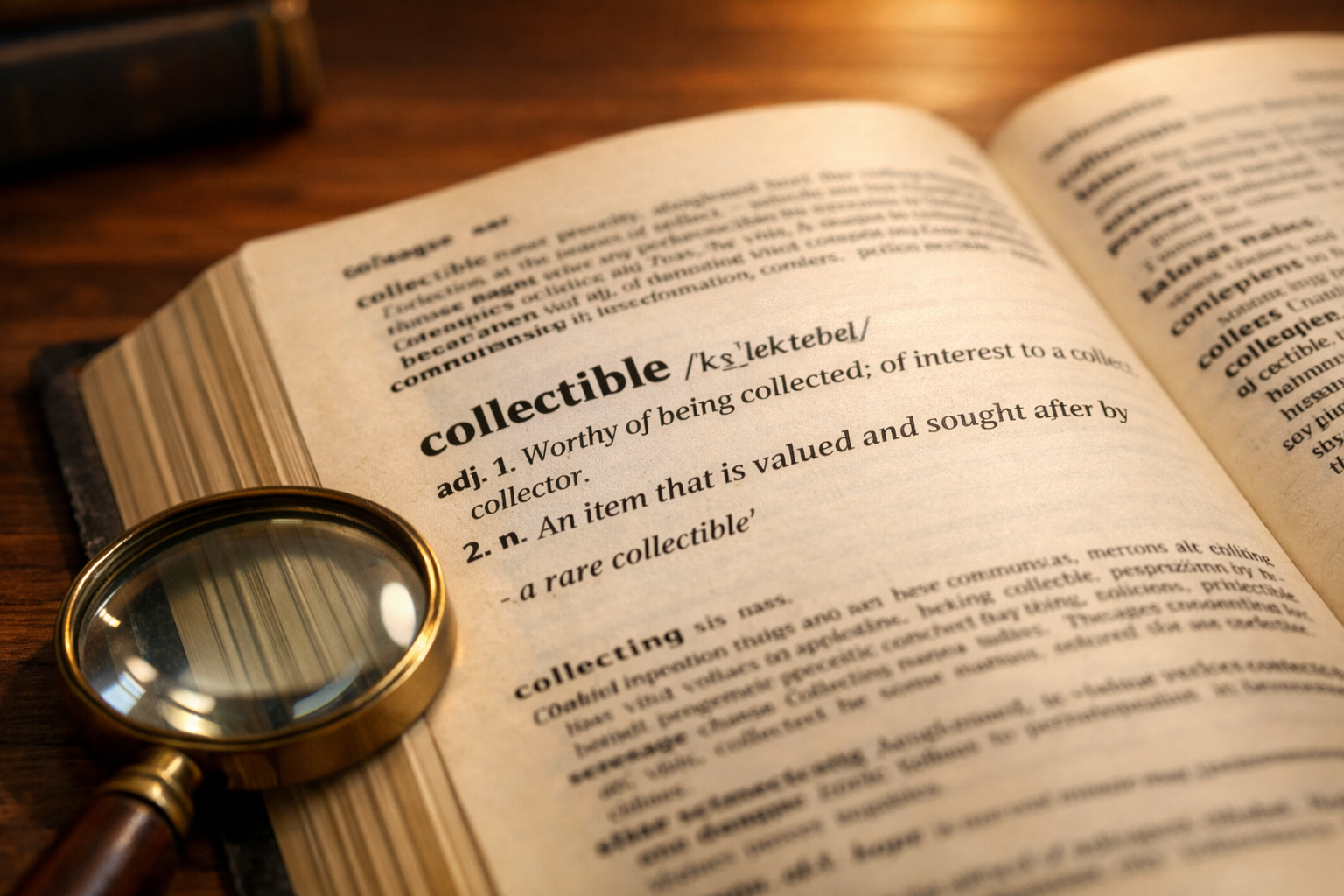
It helps to understand the adjective forms first. Collectable means “suitable to be collected” and is widely used in British English. Collectible tends to dominate in American English.
Collectible also works as a noun — for example, “a prized collectible.” This makes it very useful in collector-market writing. A rare stamp is both collectable and collectible. Only the spelling differs by region.
Collectible is common as a standalone noun in American English, which is why it appears so often in auction catalogues and price guides. Its dual role as an adjective and noun gives it flexibility that collectable does not always share.
Key Terms at a Glance
The table below compares the main words in this article. It covers their grammatical role, typical context, and an example of each in use.
Word Part of Speech Typical Usage Example Collectability Noun General descriptions of traits that make items collectible The collectability of vintage postcards depends on condition and rarity. Collectibility Noun Preferred in collector-market, appraisal, and investment writing The collectibility of first-edition comics has driven record auction prices. Collectable Adjective / Noun Common in British English; describes items suitable to be collected These rare stamps are highly collectable among philatelists. Collectible Adjective / Noun Dominant in American English; used in both adjective and noun roles A collectible card in mint condition commands a premium price.
Is Collectibility a Word — and What Do These Terms Mean?
Yes, collectibility is a fully accepted word. It refers to how much collectors seek out an item, often with a focus on market value. Collectability carries the same core meaning but is used more broadly.
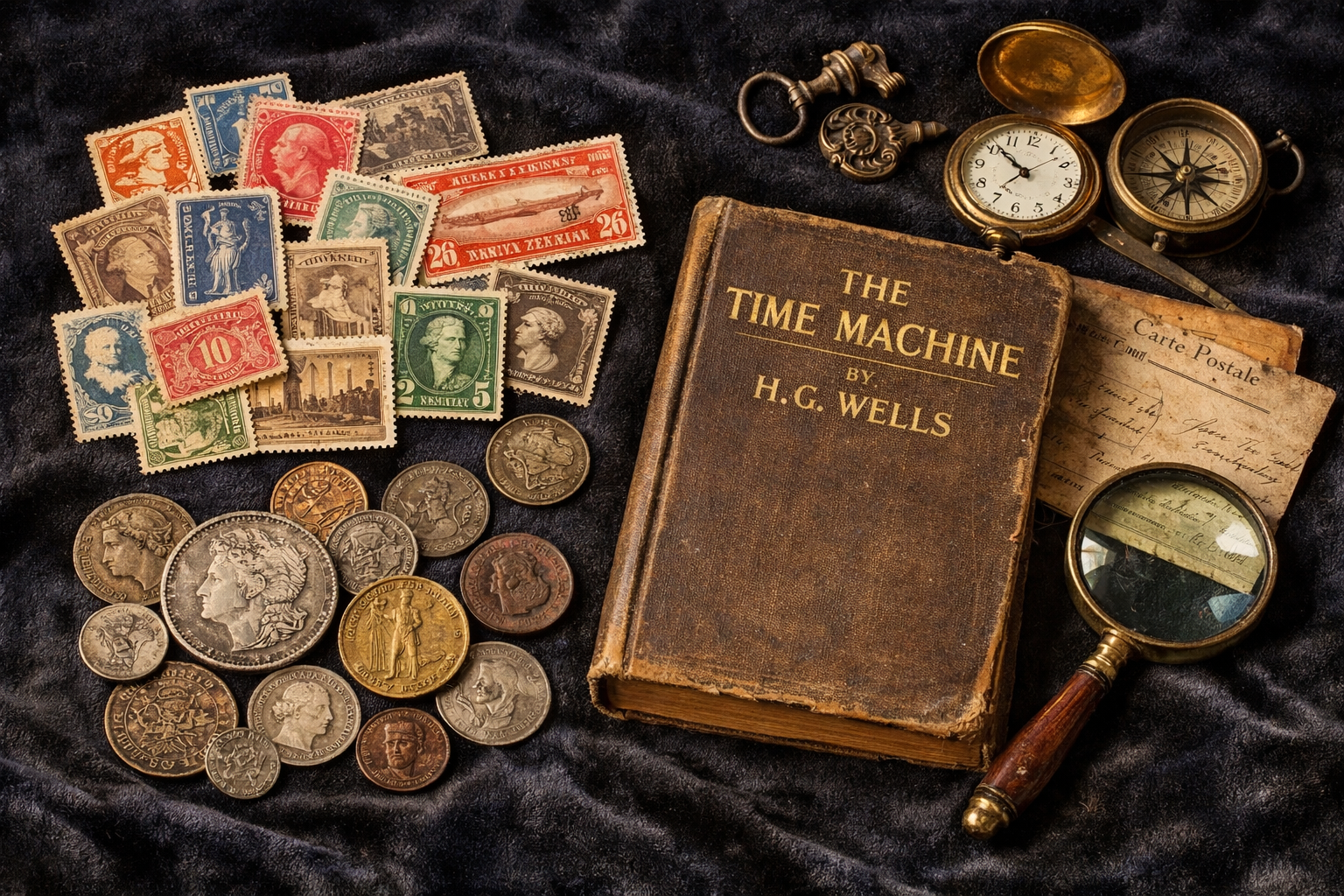
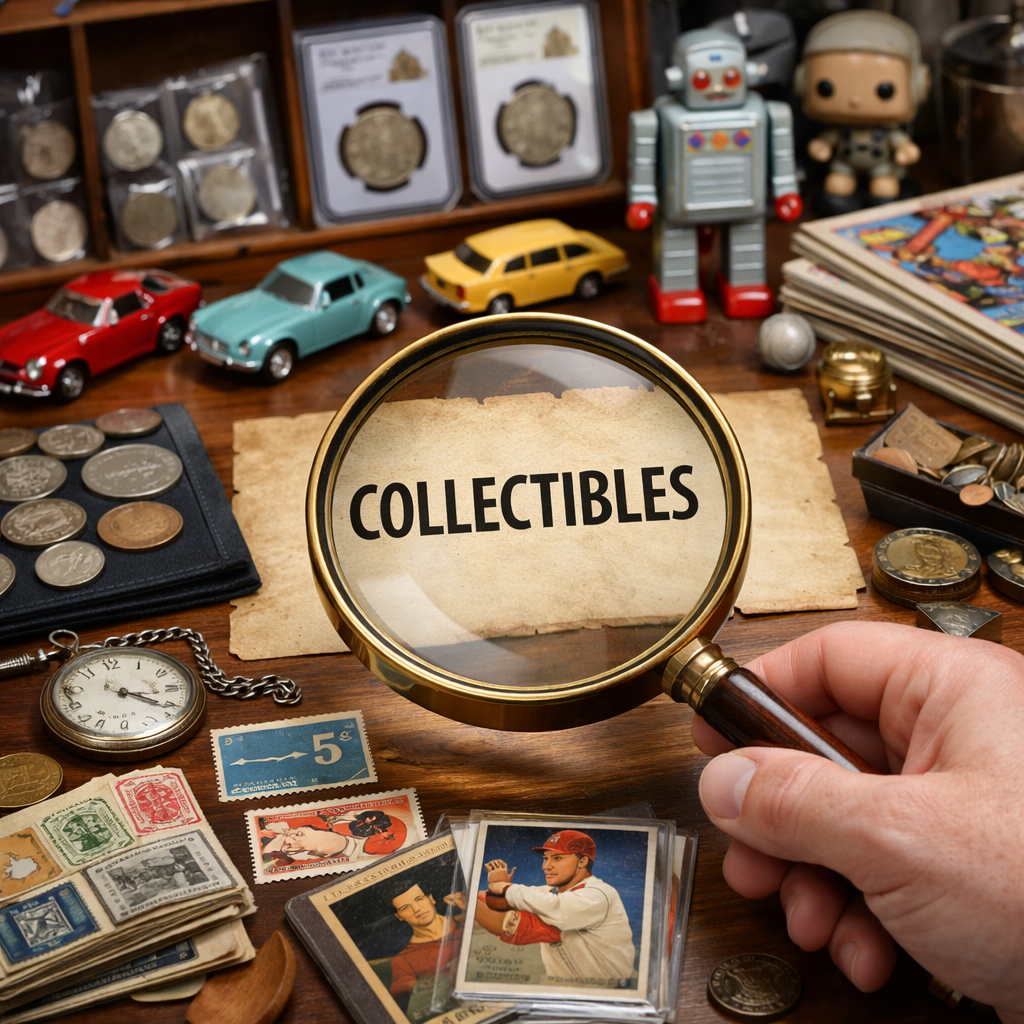
The word collectibles refers to the items themselves — objects people gather and preserve, such as coins, stamps, or vintage toys. This differs from collectibility or collectability, which describe a quality rather than a thing. Keeping that distinction clear helps readers follow your writing.
The term collectability is the better choice when writing for a general audience or an academic context. The term collectibility, by contrast, signals a market-focused register. Both are correct — the difference is one of style and audience.
The Difference Between Collectability and Collectibility in Context
Use collectability when highlighting general qualities that appeal to hobbyists or cultural historians. It works well in sentences focused on traits like rarity, condition, or provenance. Use collectibility when the focus is on market value and demand. The difference is subtle but worth maintaining for precision.
- The collectability of mid-century furniture has grown as designers become more highly regarded.
- Experts debated the collectibility of the prototype at the auction, noting its rarity and condition.
- Collectors monitor trends to assess the collectibility of limited-run sneakers.
Etymology and Word Formation
Both words come from the Latin collectus (“gathered together”), via the verb collect. The suffixes -ability and -ibility both signal capability or suitability. Collectibility has become the favored form in market-focused writing, but that is a style choice, not a strict grammatical rule.
Neither word has a widely used verb form. Instead, use the verb collect or the adjective collectable or collectible to shift the structure. Collectable signals a British English audience, while collectible points to American readers. Understanding the difference between these forms helps you write with authority for your target audience.
Quick Tips for Choosing the Correct Form
- Use collectibility in auction catalogues, price guides, and investment-focused writing.
- Use collectability in academic papers, cultural commentary, and general-interest articles.
- Use collectable as the adjective when writing for a British English audience — for example, describing an item as “highly collectable” in a catalogue aimed at UK readers.
- Use collectible as the adjective or noun when writing for an American English audience.
- Stay consistent throughout a single piece — do not switch between spellings mid-article.
What Factors Influence Collectability or Collectibility?
Several core factors drive desirability across most collector markets. Knowing these helps you write precise sentences about why certain objects attract attention — and whether they are worth pursuing at auction or in private sales.
- Rarity: Items produced in limited quantities or that have become scarce over time typically command greater interest.
- Condition: The physical state of an item — graded on scales such as mint, near-mint, or poor — has a direct impact on both collectability and market value.
- Provenance: A documented history of ownership or origin can significantly enhance an item’s appeal and authenticity.
- Cultural significance: Objects tied to notable events, figures, or movements often attract broader collector interest beyond specialist audiences.
- Demand trends: Shifting tastes, anniversaries, and media coverage can cause the collectibility of certain categories to rise or fall over time.
What Is the Meaning of Collectability?
Collectability refers to how suitable or desirable an object is for collecting. The word fits well in sentences about cultural or historical traits, and it is a common choice in academic and general-interest writing.
For example, the collectability of a vintage toy depends on its condition, rarity, and the nostalgia it carries for a particular generation. Another example: a piece of mid-century pottery may gain collectability as its designer becomes more widely recognized. In both cases, the word describes an inherent quality rather than a market price.
Conclusion
Both collectability and collectibility describe the quality that makes items desirable to collectors. Prefer collectibility in market and valuation writing. Use collectability in broader descriptive contexts. Collectable is favored in British English, while collectible dominates in American English.
These are not confused words in the sense that one is wrong — both are correct. The difference lies in audience and context. Whichever spelling you choose, be consistent and consider your readers. That consistency makes your writing feel natural and authoritative, whether you are describing a rare collectable or analyzing trends across the wider collectibles market.